
A Practical Guide to Managing Hard Water and Choosing the Right Filtration System
You clean the shower glass on Saturday, and by Wednesday, those cloudy white marks are back. The kitchen faucet looks dull, the kettle has a layer of mineral deposits, and getting soap to lather properly seems harder than it should be. If this sounds familiar, your home’s water may be contributing to the problem. It’s a common frustration, and one that can quietly turn simple household chores into a regular battle.
The good news is that better water doesn’t always require an expensive installation or a complicated setup. The right solution depends on what’s in your water, how your household uses it, and which problems you actually want to solve. A little investigation before buying equipment can save money and help you avoid choosing a system that doesn’t deliver the results you expected.
Why Hard Water Can Be Such a Persistent Problem
Hard water contains dissolved minerals, mainly calcium and magnesium. These minerals occur naturally as water moves through soil and rock, and their concentrations vary by location. Although hardness is not generally considered a health concern at typical household levels, it can affect cleaning, plumbing, and appliance performance.
One of the most noticeable effects is hard water build-up around faucets, showerheads, glass doors, and other surfaces exposed to water. As droplets evaporate, mineral residue remains behind. Over time, deposits may become more stubborn and require additional effort to remove.
The effects aren’t limited to the bathroom. Mineral scale can accumulate inside water heaters and other appliances, potentially reducing efficiency or increasing maintenance needs. Hard water may also interfere with soap, leaving a film on surfaces and making laundry feel less comfortable.
Still, it’s worth remembering that not every stain or cloudy mark comes from hardness. Iron, cleaning products, and other water characteristics can create similar symptoms. Before spending money on treatment equipment, try to identify the actual cause.
Start With a Clear Picture of Your Water
Water quality differs between neighbourhoods, and even nearby properties can have different plumbing conditions or water sources. Municipal supplies are generally treated and monitored, but their mineral content may vary. Private wells can present additional concerns because local geology and environmental conditions influence their composition.
Start by looking at the signs around your home. White deposits may suggest hardness, while reddish-brown staining can sometimes indicate iron. An unusual taste or smell deserves attention, too, although appearance and taste alone cannot establish whether water is safe to drink.
A water test can provide more useful information. Depending on your water source and concerns, testing may examine hardness, pH, iron, dissolved solids, or specific contaminants. If you’re concerned about bacteria, lead, nitrates, or other health-related substances, choose an appropriate test method, such as analysis by a certified laboratory.
A basic hardness test can be helpful, but it won’t answer every question about water quality. Understanding that distinction matters. You want evidence that points toward a suitable solution, not a sales demonstration that makes every household problem sound like a reason to buy more equipment.
When Whole-Home Filtration Makes Sense
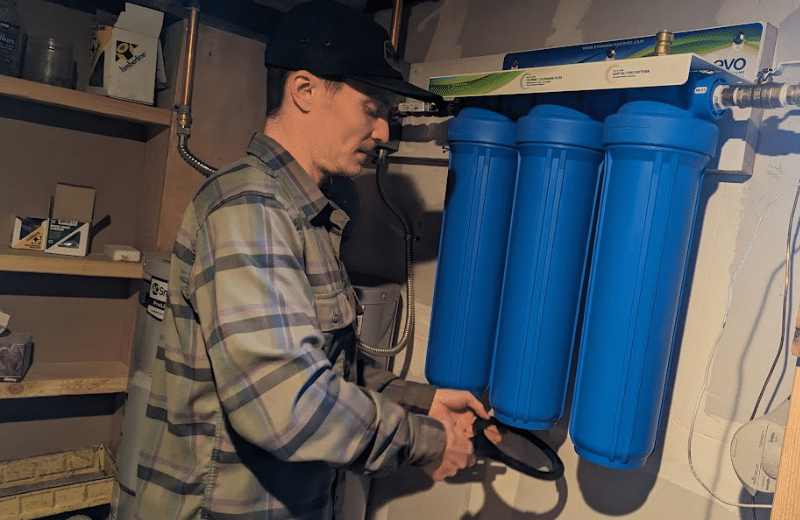
Some homeowners want to improve the water entering every part of the house rather than treating it at just one faucet. In these cases, whole home filtration may be worth considering, particularly when testing identifies concerns that affect several fixtures or household uses.
These systems are generally installed where water enters the property, allowing treated water to reach bathrooms, laundry areas, and the kitchen. However, the equipment must match the problem. Sediment filters capture particles, while activated carbon can reduce certain tastes, odors, and selected compounds. Other technologies target different substances.
A whole-house filter should not automatically be expected to soften hard water or remove every contaminant. For example, a standard sediment filter won’t reliably remove dissolved minerals, and a carbon filter isn’t a universal solution for microbiological concerns. If hardness is the main issue, a water softener may be more appropriate, either on its own or alongside another treatment system.
Household demand is another consideration. A system needs enough capacity to supply multiple fixtures without creating an inconvenient reduction in water pressure. The number of bathrooms, simultaneous showers, and everyday appliance use can all influence the required flow rate.
Installation space and maintenance access matter as well. Filters need replacing, and some systems require drainage, electricity, or additional plumbing connections. Planning for these practical details makes ownership much easier in the long run.
Choosing Between Filtration and Water Softening
Filtration and softening are often discussed together, but they serve different purposes. Filtration can reduce particular particles or substances, depending on the media and system design. Conventional ion-exchange softeners primarily reduce calcium and magnesium, helping limit hardness-related scale.
If your main concern is mineral deposits on shower glass and faucets, a properly sized softener may be more useful than a general-purpose filter. If the problem is an unpleasant chlorine taste at the kitchen tap, a suitable carbon filter could be a more direct option.
Some households benefit from combining technologies. For instance, a sediment filter may protect downstream equipment, while a softener addresses hardness. A separate drinking-water filter may then be used for specific taste or contaminant concerns.
There is no need to install every available option. Start with the test results, decide which issues matter most, and ask a qualified water-treatment professional to explain the benefits and limitations of the proposed setup.
What to Check Before Buying a System
Shopping for treatment equipment can quickly become confusing. Products may advertise several filtration stages, impressive flow rates, or broad claims about water quality. Those details are useful only when they relate to your actual needs.
When comparing water filtration systems for sale, look beyond the advertised price and the number of features. Check which substances each product is designed to reduce and whether independent certification supports its performance claims. Ask about cartridge availability, replacement intervals, installation costs, and any expected effect on water pressure.
It’s also sensible to calculate the ongoing cost. A system with a low purchase price may require expensive replacement cartridges, while a larger unit may have higher installation and maintenance expenses. Compare the total cost of ownership rather than focusing only on the amount due at checkout.
Be cautious of anyone who insists that one basic test proves your water is dangerous or that a single product can solve every possible concern. Reliable advice should be specific, evidence-based, and clear about what the equipment can and cannot do.
Keep Your System Working as Intended
Even good equipment needs regular care. Filters gradually reach the end of their useful life, softeners require routine attention, and reverse osmosis membranes may need replacement according to the manufacturer’s schedule. Neglecting maintenance can reduce performance and lead to disappointing results.
Keep a record of installation dates, filter changes, service visits, and water-test results. Watch for changes in water pressure, taste, smell, or the return of scale and staining. These signs may indicate that further investigation or maintenance is needed.
If your water source changes or you notice a sudden difference in quality, consider testing again rather than assuming the treatment system has failed.
Make a Choice That Works for Your Home
Better water begins with understanding the problem, not buying the most expensive equipment on the market. Testing, comparing suitable technologies, and considering maintenance requirements can help you make a practical decision without unnecessary spending.
Whether you need filtration, softening, or a combination of both, focus on verified performance and realistic expectations. The right setup should address your household’s specific needs, fit your budget, and remain manageable over time.
Water is part of everyday life, so improving its quality can make a meaningful difference to your routine. Start with reliable information, ask questions before committing, and choose a solution that makes sense for your home.
Related resources
Helpful reads from our site and trusted sources to continue exploring this topic.
Finding the Right Water Treatment Approach for Homes and Businesses
Water is one of those everyday essentials that rarely gets much attention until something…
Read the guide →
Understanding Your Home’s Water: From Testing to the Right Treatment
There’s something comforting about turning on the kitchen tap, filling a glass, and taking…
Read the guide →