Understanding Your Home’s Water: From Testing to the Right Treatment
There’s something comforting about turning on the kitchen tap, filling a glass, and taking a long drink without giving it a second thought. Most of us do it every day. But when water starts tasting strange, leaves reddish marks in the sink, or develops an unpleasant smell, that everyday habit can suddenly raise a few questions. What’s actually in the water, and is there something worth fixing?
For homeowners, understanding water problems doesn’t have to mean becoming a plumbing expert overnight. A little information, the right testing, and a sensible treatment plan can make a considerable difference. The trick is knowing where to begin instead of spending money on equipment that may not solve the problem.
When Your Water Starts Telling a Different Story
Water problems often appear gradually. You might notice white deposits around the showerhead, soap that refuses to lather properly, or laundry that comes out looking dull. Sometimes the warning signs are more obvious, such as a rotten-egg smell, cloudy water, or a metallic taste that wasn’t there before.
These changes can have several causes. Hard water contains minerals such as calcium and magnesium, which can leave scale on plumbing fixtures. Iron may cause orange or reddish staining, while hydrogen sulfide can produce a sulfur-like odor. Sediment, plumbing corrosion, and certain contaminants can also affect the appearance or characteristics of household water.
Of course, not every unusual smell or stain means the water is dangerous. Hardness, for example, is usually a nuisance rather than a direct health threat. Still, it’s important not to judge safety by appearance alone. Water containing certain harmful microorganisms or chemicals can look perfectly clear.
If the water changes suddenly, particularly after flooding, plumbing repairs, or a disruption in the local supply, investigate promptly. When contamination is suspected, use a known safe alternative for drinking and cooking until the issue has been assessed.
Why Testing Should Come Before Buying a Filter
It’s tempting to buy a popular filtration system after reading a few reviews online. The trouble is that two households can experience similar symptoms for entirely different reasons. A filter that works beautifully for one family might do very little for another.
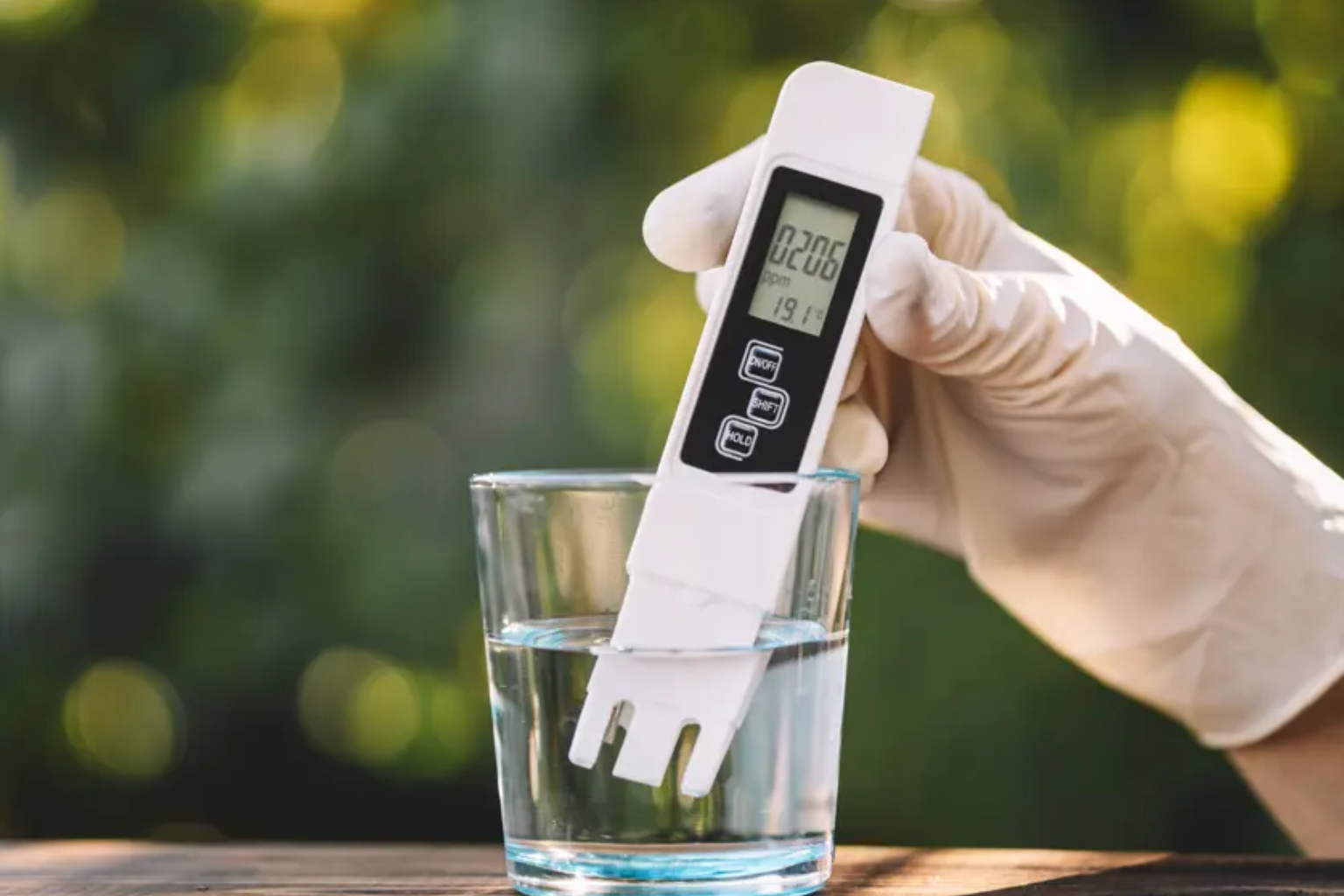
That’s where in-home water testing becomes useful. Testing helps identify the characteristics of your water and gives you a clearer starting point for choosing treatment. Depending on the water source and suspected issue, tests may measure pH, hardness, iron, nitrates, dissolved solids, or other substances.
Some screening kits are designed for quick checks at home. They’re convenient for understanding basic water characteristics, but their accuracy and scope vary. If you’re concerned about bacteria, arsenic, lead, or other potentially harmful contaminants, a qualified laboratory is generally the better choice.
The testing method matters, too. Follow sampling instructions carefully, use the correct container, and avoid contaminating the sample before it reaches the laboratory. If you use a private well, testing should be part of regular maintenance rather than something you do only after a problem appears.
For households connected to a municipal supply, reviewing the local water quality report can provide useful background information. However, a general report cannot always identify issues arising inside an individual property, such as contamination from aging plumbing.
Private Wells Need a Different Kind of Attention
Homes that depend on private wells have a unique responsibility. Unlike centrally managed public water systems, private wells generally aren’t monitored by a water utility on an ongoing basis. The homeowner needs to make sure the supply remains suitable for its intended uses.
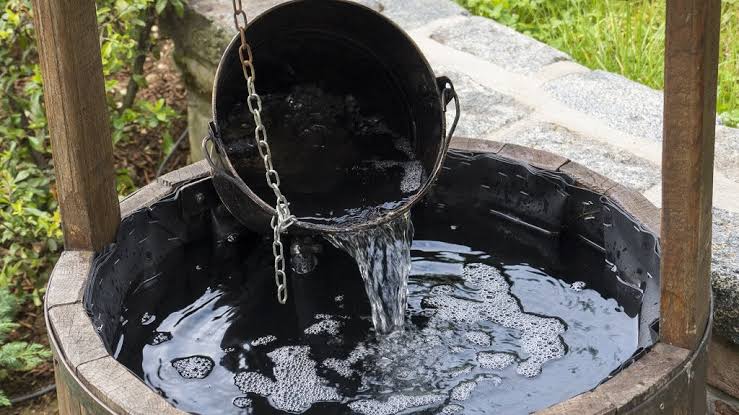
Well water may contain naturally occurring minerals, sediment, bacteria, nitrates, or other substances influenced by local geology and surrounding land use. Agricultural activity, poorly maintained septic systems, damaged well caps, and heavy rainfall can sometimes affect water quality.
Effective well water treatment begins with understanding those risks. A water test can help determine whether the main concern is hardness, microbial contamination, excess iron, or something else entirely. Each problem calls for a different response, and installing a treatment device without identifying the cause can waste both time and money.
For instance, a softener can reduce hardness but isn’t a substitute for disinfection when bacteria are present. An ultraviolet treatment unit can help control susceptible microorganisms, but it doesn’t remove dissolved chemicals or minerals. Sediment filtration may protect downstream equipment, yet it won’t necessarily make contaminated water safe to drink.
Well owners should also inspect the wellhead, maintain a suitable area around it, and arrange additional testing when circumstances warrant it. After flooding or repairs, for example, checking the supply is a sensible precaution.
Finding the Right Solution for Difficult Water
Some water issues are fairly straightforward. Others require several steps and a bit of patience. The best approach depends on the contaminant, its concentration, how much water the household uses, and whether treatment is needed at one tap or throughout the property.
This is where problem water treatment becomes more than a general phrase. It means matching a specific treatment method to an identified water issue instead of expecting one product to handle everything.
Here are a few common examples:
- Hard water: A conventional ion-exchange softener can reduce calcium and magnesium, helping limit scale buildup and making washing more comfortable.
- Unpleasant taste or chlorine odor: An appropriately certified activated carbon filter may improve taste and reduce chlorine.
- Iron staining: Depending on the type and concentration of iron, oxidation, filtration, or another specialized method may be appropriate.
- Microbial contamination: Proper disinfection, such as a suitable ultraviolet system or chlorination process, may be needed alongside other corrective measures.
- Certain dissolved contaminants: Reverse osmosis or another targeted technology may reduce specific substances when the system is designed and verified for that purpose.
These solutions aren’t interchangeable. A system’s performance depends on the water entering it, its design, and whether it’s maintained according to the manufacturer’s instructions. When test results show a significant problem, consult a qualified water treatment professional who can explain the options and their limitations.
Don’t Forget the Plumbing Behind the Water
Water quality isn’t determined solely by the source. The pipes, storage tanks, faucets, and treatment equipment inside a home can all influence what eventually comes out of the tap.
For example, older plumbing may contribute metals to drinking water, while neglected storage tanks can accumulate sediment. A filter won’t necessarily solve the underlying issue if contamination continues to enter the supply downstream of the treatment unit.
Regular plumbing inspections can help identify leaking connections, corroded components, damaged fittings, and other problems before they become expensive repairs. If a new filter is installed, make sure it’s fitted correctly and that all relevant maintenance requirements are understood.
Replacement cartridges deserve particular attention. A filter that’s overdue for replacement may lose effectiveness, and some systems can become less reliable when neglected. Keep a simple record of service dates; it’s an unglamorous habit, perhaps, but it works.
Making Water Safety Part of Everyday Home Care
Good water management doesn’t have to become another complicated household chore. Start with a few practical steps: understand where your water comes from, investigate unusual changes, arrange appropriate testing, and choose treatment based on actual results.
If you use a private well, establish a regular testing schedule suited to local guidance and potential contamination risks. If your home receives municipal water, review available water quality information and pay attention to concerns specific to your plumbing.
Most importantly, don’t assume that expensive equipment automatically means better water. A simple, well-maintained filter can be more useful than a sophisticated system chosen without proper testing.
Water touches almost every part of daily life, from morning coffee to cooking dinner and washing up afterward. When something seems off, it’s worth taking a closer look. With informed decisions and consistent maintenance, you can address water problems at their source and make your home a more comfortable place to live.
Related resources
Helpful reads from our site and trusted sources to continue exploring this topic.
The Real Value of Clean Water: Why Home Filtration and Conditioning Matter More Than Ever
There’s something deeply comforting about pouring a glass of water and knowing — truly…
Read the guide →
The Quiet Importance of the Water We Trust Every Day
There’s something almost invisible about water in our daily lives. You wake up, brush…
Read the guide →in-home water testing
Trusted external resource related to this article.
Visit source ↗