
Finding the Right Water Treatment Approach for Homes and Businesses
Water is one of those everyday essentials that rarely gets much attention until something goes wrong. Maybe the shower leaves a chalky film on the glass, the coffee tastes a little different, or a commercial kitchen keeps dealing with mineral buildup around its equipment. These problems can seem minor at first, but over time they become frustrating, costly, and difficult to ignore.
The challenge is that water quality isn’t the same everywhere. Two properties on the same street can have different plumbing conditions, usage patterns, and treatment needs. A solution that works well for a family home may be entirely unsuitable for a busy restaurant, workshop, or office building. Getting the right result starts with understanding the water and how it’s used.
Every Property Has Its Own Water Needs
Some households mainly struggle with hard water, which contains elevated levels of calcium and magnesium. These minerals can leave deposits on faucets, reduce soap’s effectiveness, and gradually contribute to scale inside water heaters and appliances. Other properties may have concerns about sediment, unpleasant tastes, iron staining, or specific contaminants.
Businesses face many of the same issues, but the consequences can be different. A restaurant may need consistent water quality for food preparation and equipment operation. A hotel might use large amounts of water for guest rooms, laundry, and cleaning. In manufacturing, water characteristics may affect processes, product quality, or equipment performance.
Before choosing equipment, it’s worth considering the source of the water, daily demand, and the problems that have actually been observed. Testing can help identify hardness, pH, dissolved solids, and other relevant characteristics. Where health-related contaminants are a concern, the test should be appropriate for those substances and may require analysis by a certified laboratory.
This step matters because water treatment isn’t about adding as many filters as possible. It’s about choosing the right technology for a clearly identified need.
Making Water Quality Easier to Manage at Home
For homeowners, water problems often show up during ordinary routines. Cleaning the bathroom takes longer because mineral deposits keep returning. Glassware comes out of the dishwasher with spots, or the water heater seems to need attention more frequently than expected. These issues may not indicate unsafe water, but they can make household maintenance more demanding.
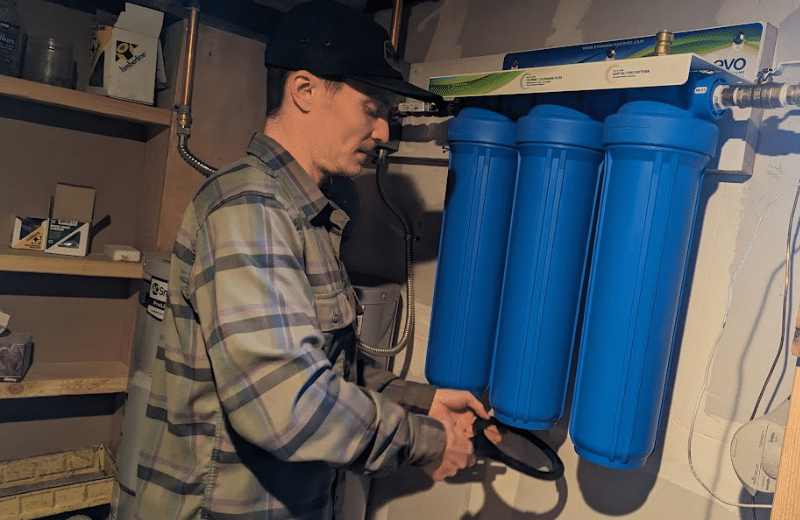
Well-planned residential solutions can address these concerns without making the home’s plumbing unnecessarily complicated. Depending on the test results, a household might benefit from a water softener, sediment filter, carbon filter, or drinking-water treatment system. Each serves a different purpose, so the choice should reflect the actual water conditions.
A softener, for example, can reduce hardness minerals through ion exchange. A carbon filter may improve certain tastes and odours, while a properly selected reverse osmosis system can reduce many dissolved substances in drinking water. None of these options is a universal purifier, and the performance of any system depends on its design, condition, and maintenance.
Household habits also deserve consideration. A family that fills bottles and cooks at home throughout the day may prefer a drinking-water unit with suitable storage and flow capacity. A home with significant scale buildup across multiple bathrooms may need treatment where water enters the property. The best setup is one that fits naturally into daily life.
Commercial Water Treatment Requires a Different Perspective
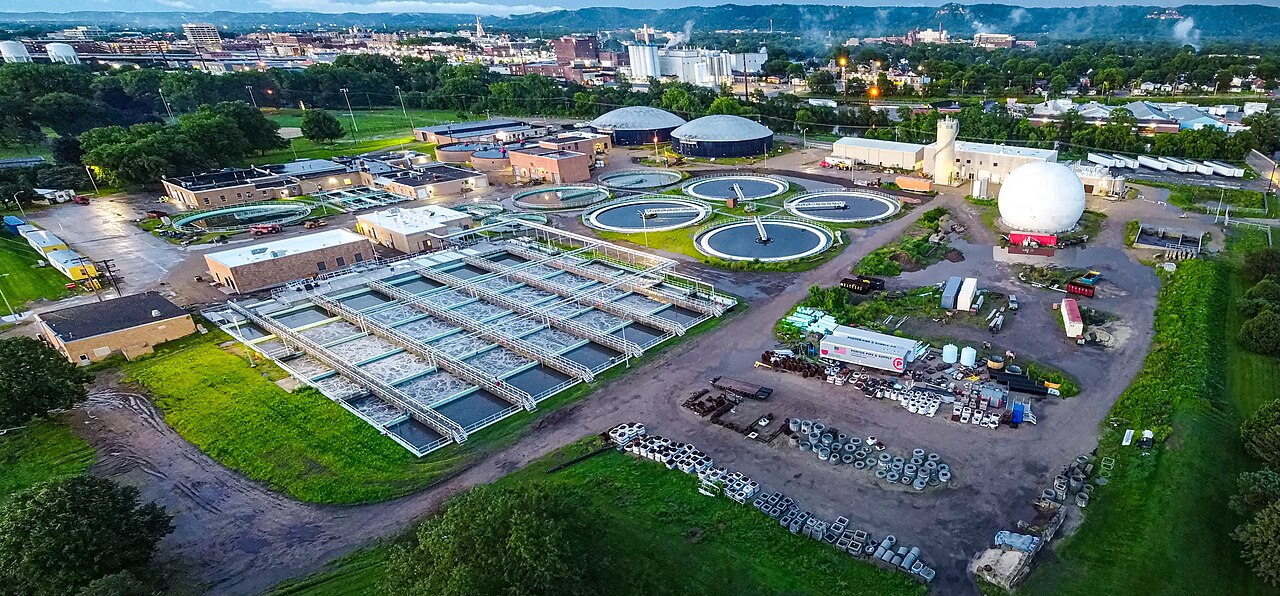
Commercial properties often use more water than homes, and their demand can fluctuate throughout the day. A restaurant may experience a rush during lunch service, while a hotel can have several showers, laundry machines, and cleaning operations running at once. Equipment must be selected to handle these demands without creating unnecessary pressure loss or interruptions.
Effective commercial solutions begin with understanding the business’s operations. The water requirements of a medical facility, for instance, may differ considerably from those of a car wash or food-processing site. Flow rate, water temperature, treatment goals, and local regulations all influence the appropriate system.
In some settings, a combination of technologies may be necessary. Sediment filtration can help capture particles, while selected carbon media may reduce certain unwanted compounds. Softening can address hardness, and specialised treatment may be required for particular industrial or microbiological concerns. The equipment should be chosen according to measured conditions and the intended use, rather than relying on a standard package for every business.
It’s also important to consider what happens when a system needs attention. If untreated water could interrupt operations, the business may need a service plan, spare consumables, or a suitable backup arrangement. Planning for these possibilities is much easier than trying to solve a problem during a busy working day.
Choosing Equipment That Does the Job Properly
Water treatment products can look similar from the outside while delivering very different results. That’s why specifications and independent certifications deserve attention. Ask what a system is designed to remove or reduce, which test results support the recommendation, and whether its rated capacity matches the property’s needs.
Avoid broad promises that one device will solve every water problem. A sediment filter won’t reliably remove dissolved salts, and a softener isn’t designed to disinfect water. Ultraviolet treatment can inactivate susceptible microorganisms when correctly installed and maintained, but it doesn’t remove dissolved chemicals or particles. Understanding these limits helps prevent disappointment.
Installation is another important part of the decision. Equipment needs suitable space, correct plumbing connections, and appropriate drainage or electrical access where required. For larger commercial systems, the design may need to account for peak demand, servicing access, and the consequences of downtime.
Request a written estimate that separates equipment, installation, and ongoing expenses. Replacement filters, membranes, salt, electricity, water use, and professional servicing can all contribute to the long-term cost. Comparing these details gives you a clearer picture than looking at the initial price alone.
Why Ongoing Service Matters
Even a well-designed system needs regular care. Filters gradually become exhausted, membranes have a limited service life, and some units require periodic cleaning or performance checks. Ignoring these tasks can reduce treatment effectiveness and may lead to avoidable repairs.
Reliable water treatment services can help property owners keep equipment operating as intended. Depending on the system, support may include routine inspections, filter changes, troubleshooting, sanitation, and water testing. For businesses, planned service visits can also help reduce the risk of unexpected interruptions.
Ask providers to explain the maintenance schedule before you commit. Find out which tasks can be handled by the property owner and which should be performed by a qualified technician. Keep records of installation dates, test results, and service visits so that changes in performance are easier to identify.
If water quality suddenly changes, don’t assume that replacing a filter will solve everything. The cause might be a source-water change, a plumbing issue, or a treatment component that needs further investigation. Appropriate testing can help identify the next step.
A Better Approach Begins With Clear Information
Good water treatment isn’t about choosing the most elaborate system on the market. It’s about matching the equipment to the water, the property, and the people who depend on it. Homes need solutions that make daily routines more comfortable, while businesses need reliable performance that fits their operational demands.
Start by identifying the concern, arranging suitable testing, and comparing treatment options that address the results. Ask practical questions about installation, maintenance, capacity, and long-term cost. A provider should be able to explain the reasoning behind a recommendation without relying on pressure or exaggerated promises.
With a thoughtful plan and consistent care, water treatment becomes easier to understand and manage. The result is not simply a new piece of equipment; it’s a more dependable approach to one of the most important resources used every day.
Related resources
Helpful reads from our site and trusted sources to continue exploring this topic.
A Practical Guide to Managing Hard Water and Choosing the Right Filtration System
You clean the shower glass on Saturday, and by Wednesday, those cloudy white marks…
Read the guide →
Understanding Your Home’s Water: From Testing to the Right Treatment
There’s something comforting about turning on the kitchen tap, filling a glass, and taking…
Read the guide →residential solutions
Trusted external resource related to this article.
Visit source ↗