
The Quiet Difference Good Water Makes at Home
There’s something oddly comforting about turning on the tap and not thinking twice about it. You fill a glass, rinse some fruit, maybe start your morning tea—and everything just feels… normal. But if you’ve ever stayed somewhere with off-tasting water or that faint chlorine smell lingering in the air, you know how quickly “normal” can shift.
Water has a way of shaping our daily experience without asking for attention. Until, of course, it does.
When You Start Noticing the Little Things
It rarely begins with a big, dramatic problem. More often, it’s subtle. Maybe your coffee tastes slightly different than usual. Or your skin feels dry even after a long shower. There’s a chance you’ve seen those chalky marks on your taps and thought, “That’s annoying,” but left it at that.
These small signs aren’t random. They’re clues.
Water carries minerals, sediments, sometimes even traces of chemicals. And depending on where you live, the composition can vary quite a bit. One neighborhood’s “normal” could be another’s frustration. The tricky part is, most of us adapt without realizing we’ve adjusted at all.
Looking Beyond the Kitchen Tap
For a long time, I thought water quality only mattered for drinking. As long as it was safe, that was enough, right?
But then you start connecting dots.
The same water flows through your shower, your washing machine, your dishwasher. It touches your clothes, your dishes, your hair, your skin. Over time, even small impurities or excess minerals can build up—not just in pipes, but in your everyday life.
That’s where whole home water filtration starts to make sense. Instead of treating water at a single point, it addresses the issue at its source—right where water enters your home. It’s a bit like fixing the root of a problem instead of constantly dealing with its symptoms.
And the difference? It’s not always dramatic, but it’s consistent. Quietly better.
The Taste Factor—And Why It Matters More Than You Think
Let’s talk about taste for a second.
We often underestimate how much water influences the flavor of what we eat and drink. Tea, coffee, even something as simple as boiling pasta—it all depends on the quality of water you’re using.
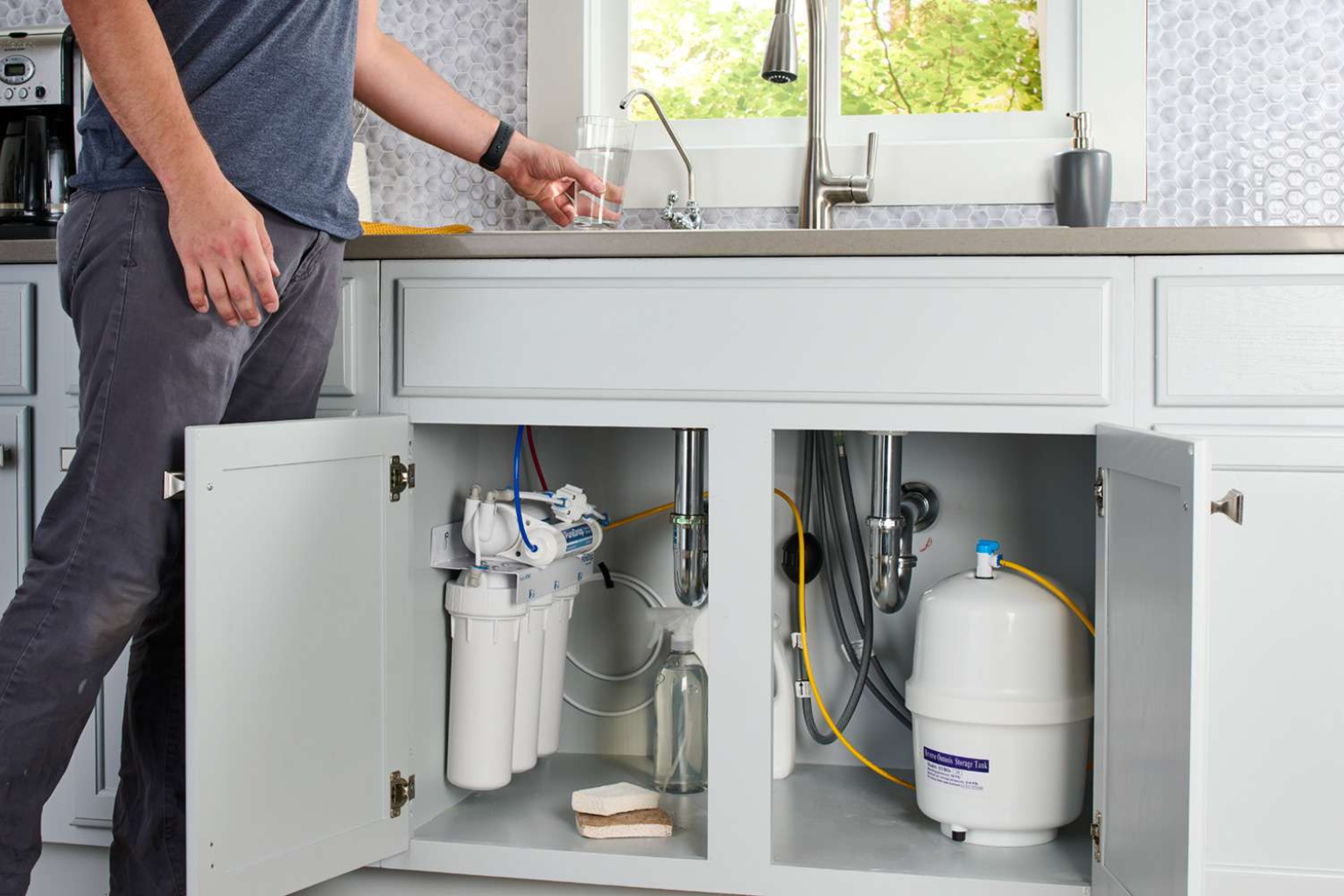
If you’ve ever had water that tasted slightly metallic or overly chlorinated, you know it can throw everything off. That’s where reverse osmosis systems come into the picture. They’re designed to remove a wide range of impurities, giving you water that’s not just safe, but genuinely pleasant.
And once you get used to that clean, neutral taste, going back feels… noticeable. In a way that’s hard to ignore.
It’s Not Just About What You Can See
Clear water can be misleading. It might look perfectly fine, but appearances don’t always tell the full story.
What matters is clear water quality, and that goes beyond visual clarity. It’s about what’s dissolved in the water—things you can’t see but might still feel, taste, or even smell. Minerals like calcium and magnesium, for instance, aren’t harmful in small amounts, but they can create buildup over time.
Then there are other elements—sediments, chlorine, or trace contaminants—that can affect both taste and usability. It’s not about fear or alarm. It’s about awareness.
Knowing what’s in your water gives you options. And options, in this case, are a good thing.
A Subtle Upgrade That Changes Everyday Life
One of the interesting things about improving water quality is that it doesn’t feel like a big upgrade at first. There’s no flashy transformation, no instant “wow” moment.
Instead, it’s gradual.
Your soap lathers better. Your hair feels softer. Your dishes come out cleaner without spots. Even your appliances—like your kettle or washing machine—start lasting longer because they’re not dealing with constant mineral buildup.
It’s the kind of improvement that sneaks up on you. One day, you realize you haven’t thought about water issues in weeks. And that, oddly enough, is the best sign.
Finding What Works for Your Home
There’s no one-size-fits-all solution when it comes to water. What works beautifully in one home might not be necessary in another.
Some people start small—a simple under-sink filter for drinking water. Others go all in with full-home systems. It really depends on your needs, your water source, and what you’re trying to improve.
The key is not to overcomplicate it.
Start by understanding your water. Maybe get it tested. Ask a few questions. From there, the right solution usually becomes clearer.
Wrapping It All Up—Without Overthinking It
At the end of the day, water is one of those things we rely on without giving it much thought. It’s constant, familiar, easy to take for granted.
But when you make even a small effort to improve it, the impact spreads quietly across your entire home. Better taste. Better feel. Fewer maintenance headaches. A little more comfort in your everyday routine.
You don’t need to chase perfection. Just aim for better.
Because sometimes, the simplest changes—like improving the water you use every day—end up making the biggest difference, even if they don’t shout about it.