
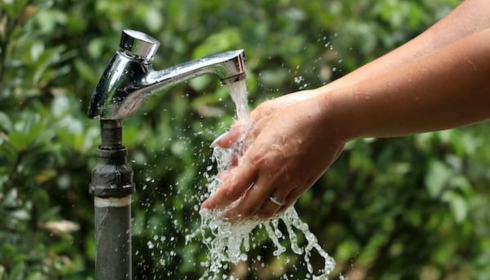
When Water Starts to Matter: A Real-Life Look at What Flows Through Our Homes
There’s something oddly easy about ignoring water—until you can’t. It’s always there, right? Turn the tap, fill a glass, move on. No drama, no second thoughts. But then one day, maybe you notice a strange taste, or your kettle starts building that stubborn white crust, or your skin feels dry no matter how much moisturizer you use. And suddenly, water isn’t just… water anymore.
It becomes a question.
What am I actually using every day?
Not All Water Feels the Same (Even If It Looks Clear)
Most of us grew up believing that if water is clear, it’s clean. And while that’s sometimes true, it’s not the full picture. Water can carry minerals, chemicals, and tiny particles that don’t change how it looks—but definitely affect how it behaves.
Hard water, for example, is incredibly common. It’s loaded with minerals like calcium and magnesium. Not dangerous, but a bit annoying. Soap doesn’t lather well, dishes come out spotted, and over time, appliances take a hit.
Then there’s chlorine, often added for disinfection. Safe in small amounts, yes—but it can leave a smell or taste that’s hard to ignore once you notice it.
All of this adds up. Slowly, subtly. Until you realize your water might need a little attention.
The Shift Toward Better Everyday Water
People don’t usually wake up one day and decide to overhaul their entire water system. It’s more gradual than that. A filter jug here, maybe a shower filter there. Small steps.
But eventually, the idea of water quality improvement starts to feel less like a luxury and more like something practical—something that just makes life easier.
Cleaner water doesn’t just affect what you drink. It touches everything. Cooking, bathing, laundry… even how your home smells on a humid day. It’s one of those invisible upgrades that quietly improves your environment without demanding attention.
And once you notice the difference, it’s hard to un-notice it.
When Hard Water Becomes More Than Just an Inconvenience
Let’s talk about that chalky residue for a second. The one that builds up on taps, showerheads, and inside kettles. It might seem like a cosmetic issue, but it’s a sign of something deeper—mineral buildup that can slowly damage plumbing and reduce efficiency in appliances.
That’s where hard water solutions come into play. Not in a flashy, over-the-top way, but in a practical, problem-solving kind of way.
Water softeners are a common choice. They work quietly, swapping out those hardness minerals with something less troublesome. The result? Softer laundry, smoother skin, and appliances that don’t have to work quite as hard.
It’s not about perfection. It’s about reducing friction in everyday routines. Making things feel just a little easier.
The Personal Side of Drinking Water
Here’s where it gets a bit more… personal.
Drinking water is different. It’s not just about convenience or maintenance—it’s about what you’re putting into your body every single day. And even if your water meets safety standards, that doesn’t always mean it tastes good or feels right.
That’s why many people start focusing on healthy drinking water as a separate goal. Maybe they install a dedicated filter at the kitchen sink, or switch to a system that removes more than just basic impurities.
The difference can be surprisingly noticeable. Water tastes cleaner, lighter somehow. Tea and coffee improve. Even cooking feels a bit different, though it’s hard to explain exactly how.
And there’s a kind of quiet reassurance in knowing that what you’re drinking has been thoughtfully filtered. Not just “safe,” but genuinely clean.
It’s Not About Having the “Best” System
There’s a temptation, especially when you start researching, to go all in. To find the most advanced system, the most comprehensive setup, the one that does everything.
But honestly? That’s not always necessary.
Every home is different. Water sources vary. What works beautifully for one family might be overkill for another. And sometimes, a simple solution—well chosen and properly maintained—does the job perfectly.
It’s more about fit than features.
Understanding your water, your needs, your daily habits… that’s what leads to better decisions. Not flashy specs or complicated setups.
The Small Changes That Add Up Over Time
One of the interesting things about improving water quality is that the benefits don’t always show up all at once. They sneak in.
Your skin feels a bit less dry. Your clothes last longer. You stop scrubbing away stubborn spots on dishes. You might even notice fewer plumbing issues over time.
And then there’s the mental side of it. That subtle peace of mind. Knowing that your water—something you use constantly—isn’t something you have to worry about anymore.
It’s not dramatic. But it’s meaningful.
Where to Start (Without Overthinking It)
If you’re at the beginning of this, it can feel a bit overwhelming. So many options, so many opinions.
Start simple.
Pay attention to your water. Taste it. Notice how it feels on your skin. Look at what it leaves behind on surfaces. These small observations tell you more than you might expect.
From there, consider testing your water. It doesn’t have to be complicated. Even a basic test can point you in the right direction.
And then, take it one step at a time. You don’t need to fix everything overnight.
A Thought to Carry With You
Water is one of those things we rely on without really thinking about it—until we do. And when we start paying attention, it opens up a whole new perspective on something that’s been part of our daily lives all along.
Improving it doesn’t require drastic changes. Just thoughtful ones.
Because in the end, it’s not about chasing perfect water. It’s about creating a home where the little things—like the water you drink, cook with, and bathe in—feel just right.
And honestly, that’s a pretty good place to be.