
The Quiet Comfort of Clean Water at Home: Why It Matters More Than We Think
There’s something oddly reassuring about turning on a tap and seeing clear water flow out. It’s such a routine part of life that we rarely stop to question it. We brush our teeth, fill our bottles, cook meals, water plants — all without thinking twice. But lately, more homeowners have started to pause at that simple moment, wondering what’s actually in the water they depend on every day.
It’s not paranoia. It’s awareness catching up with reality.
Modern water systems are incredibly advanced, but they’re not flawless. Pipes age, contaminants travel, and environmental changes affect water quality in ways that aren’t always visible. And that’s where the conversation about home water safety truly begins.
When “Clear” Doesn’t Always Mean “Clean”
One of the biggest misconceptions people hold is that if water looks clean, it must be safe. But water doesn’t always announce its problems. Many contaminants — like dissolved minerals, heavy metals, or microscopic bacteria — are completely invisible.
Sometimes the first signs are subtle. Maybe your tea tastes slightly different. Maybe your skin feels unusually dry after showers. Or maybe appliances start accumulating white residue faster than expected.
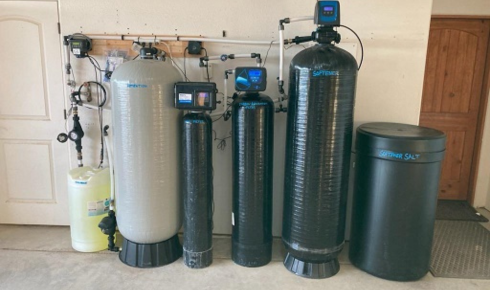
These small clues often lead homeowners to explore water filters, not because they suspect something is dangerously wrong, but because they want peace of mind. Modern filtration systems can remove chlorine, sediment, harmful chemicals, and even certain pathogens. The result isn’t just safer water — it’s water that feels better, tastes better, and supports healthier daily living.
And once you get used to filtered water, it’s surprisingly hard to go back.
The Hidden Role of Plumbing in Water Quality
Water quality isn’t only about the source — it’s also about how water travels through your home. Pipes, fixtures, and plumbing infrastructure play a significant role in determining what actually comes out of the tap.
Older homes, in particular, may still have aging pipe materials that can leach unwanted substances into the water. Even newer systems aren’t immune to issues like corrosion, mineral buildup, or hidden leaks that allow contaminants to enter.
This is why reliable plumbing services are often an overlooked part of water safety. Professional inspections don’t just fix visible problems; they help prevent long-term risks. A skilled plumber can identify early warning signs, recommend pipe upgrades, and ensure water flows cleanly from the main supply to every faucet.
It’s one of those behind-the-scenes factors that people rarely think about — until something goes wrong.
Why Private Water Sources Require Extra Attention
For homes that rely on wells instead of municipal supply, water safety becomes even more personal. Unlike city systems, private wells aren’t regularly monitored by public authorities. That responsibility falls entirely on homeowners.
And nature, while beautiful, isn’t always predictable.
Groundwater can be affected by agricultural runoff, nearby construction, seasonal changes, and even naturally occurring minerals. Some of these changes happen gradually, without any noticeable warning signs.
That’s why regular well water testing is essential. It provides clear insight into what’s actually present in the water — from bacteria levels to mineral content. Testing allows homeowners to address problems early rather than reacting after health issues or system damage occur.
Many people who test their well water for the first time are surprised by what they learn — not always because something is wrong, but because they finally understand their water’s unique characteristics.
The Emotional Side of Water Safety
Beyond science and infrastructure, there’s an emotional dimension to clean water that often goes unspoken.
It’s the comfort of knowing your child’s drinking bottle is safe.
The quiet confidence in cooking meals without worry.
The simple satisfaction of taking a refreshing shower after a long day.
Clean water doesn’t just support physical health — it supports peace of mind.
And peace of mind is something we rarely value until we realize how easily it can be disrupted.
Small Steps That Lead to Big Improvements
Improving home water quality doesn’t necessarily require major renovations or expensive systems. Often, meaningful changes start with small, practical steps.
Simple filtration upgrades, routine plumbing inspections, and periodic water testing can collectively make a significant difference. Over time, these efforts create a home environment where water supports well-being rather than raising concerns.
It’s not about achieving perfection. It’s about creating confidence — knowing that something as fundamental as water is working in your favor, not against you.
A Final Thought: Caring for What Sustains Us
Water is so deeply woven into everyday life that we almost forget how vital it truly is. It nourishes us, cleans our homes, and keeps countless daily routines running smoothly.
Yet, because it’s always there, we often overlook the importance of maintaining its quality.
Taking time to understand your home’s water — how it’s sourced, filtered, and delivered — isn’t just a technical decision. It’s a personal one. It reflects a commitment to health, comfort, and long-term well-being.
And sometimes, the most meaningful improvements we make in life are the quietest ones — like ensuring that every drop flowing from our taps is as clean and safe as it should be.