
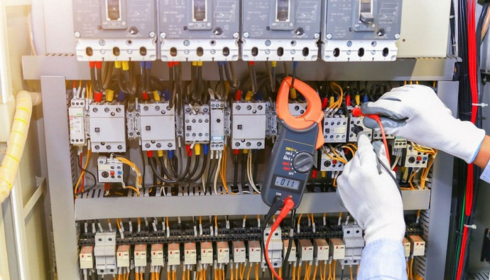
Powering Places Where Life Happens: A Human Look at Modern Electrical Work
There’s something quietly powerful about electricity. You don’t notice it when it’s working, but the moment it’s not—everything stops. Lights go dark. Screens go blank. Coffee doesn’t brew. And suddenly, you’re reminded how much of daily life depends on systems hidden behind walls and ceilings.
Electrical work isn’t flashy. It’s not something people brag about at dinner parties. But it’s foundational. Whether it’s a busy office, a family home, or a building that doesn’t even exist yet, good electrical planning and execution shape how comfortably—and safely—we live and work.
When Businesses Need Power That Never Quits
Walk into a restaurant during peak hours or an office building on a Monday morning and you’ll see just how much depends on reliable power. Computers hum, kitchen equipment runs nonstop, climate systems keep everyone comfortable. None of that happens by accident.
This is where commercial electrical work lives. It’s not just about wiring lights and outlets; it’s about designing systems that can handle heavy loads, long operating hours, and future growth. Businesses evolve. They add equipment, expand floor space, upgrade technology. Electrical systems have to keep up without missing a beat.
Good commercial electricians think ahead. They ask questions most people wouldn’t even consider: What happens if usage doubles in five years? Where are the potential failure points? How can downtime be avoided? When done right, no one notices the electrical system at all—and that’s exactly the goal.
Homes Are Personal, and So Is the Wiring
A home isn’t just a structure. It’s where routines form and memories stack up quietly over time. Electrical work in a home has to respect that. It’s not just about code compliance—it’s about comfort, convenience, and peace of mind.
Residential electrical projects often start with small annoyances. Outlets never seem to be where you need them. Breakers trip when the microwave and toaster run together. Lighting feels harsh in some rooms and dim in others. These aren’t emergencies, but they affect how a home feels.
What makes residential work different is the human element. Every house is lived in differently. A family with kids has different needs than a retired couple or someone working from home. Smart electricians listen first, then design solutions that fit the way people actually live—not the other way around.
And when safety enters the picture—old wiring, overloaded panels, outdated fixtures—that personal touch matters even more. Knowing your home is wired properly lets you sleep better at night, even if you never think about it again.
Building from Scratch Changes Everything
There’s a unique energy around a construction site before walls go up. Everything is possibility. Nothing is hidden yet, and decisions made in those early stages shape how a building functions for decades.
That’s why new construction electrical work carries a different kind of responsibility. It’s not about fixing problems—it’s about preventing them before they ever exist. Every wire placement, every panel decision, every outlet location is permanent once the drywall goes up.
The smartest electrical planning happens early. It considers how people will move through the space, where technology will live, and how power demands might grow. A well-designed system makes future upgrades easier and avoids costly changes down the line.
This stage is also where efficiency can be baked in from day one. Energy-saving lighting layouts, smart panel configurations, and thoughtful circuit distribution don’t just save money—they make buildings easier to live and work in long term.
Why the Details Matter More Than People Realize
To most people, electricity is either “on” or “off.” But behind that simplicity is a web of decisions that affect safety, efficiency, and longevity. Poor electrical work doesn’t always fail dramatically. Sometimes it fails quietly—through higher energy bills, shortened appliance life, or subtle safety risks that go unnoticed for years.
Good electricians obsess over details most people never see. Clean connections. Proper load balancing. Thoughtful labeling. These things don’t show up in photos, but they show up in performance.
And performance is what matters when the power needs to work every single day without drama.
The Common Thread Across All Electrical Work
Whether it’s a business, a home, or a brand-new building, the common thread is trust. People trust that when they flip a switch, something happens. They trust that their systems are safe. They trust that the work was done correctly, even if they never saw it.
That trust is earned through experience, planning, and respect for the craft. Electrical work isn’t just technical—it’s responsibility-heavy. One mistake can ripple outward in ways that aren’t immediately obvious.
That’s why quality electrical professionals don’t rush. They plan. They double-check. They think about how a space will be used five, ten, even twenty years down the line.
Looking Ahead: Powering the Future Thoughtfully
As homes get smarter, businesses become more tech-driven, and buildings demand more from their infrastructure, electrical work keeps evolving. But the core principles stay the same: safety first, thoughtful design, and systems that support real human needs.