
More Than Just a Glass of Water: Why Clean Water at Home Shouldn’t Be a Luxury
We pour it into our mugs every morning. We fill bathtubs for our kids, wash our vegetables with it, rinse our faces with it before bed. Water, in so many ways, is one of the quiet threads that stitch our lives together. And yet—how often do we really stop to think about the quality of what’s coming out of the tap?
Here’s the thing: not all water is created equal. And not all homes, neighborhoods, or cities are getting the same deal when it comes to purity, taste, and overall safety. That’s where the real conversation about water begins—not at the sink, but at the source.
That “Off” Feeling: When Your Water’s Not Quite Right
You know what I’m talking about. Maybe it’s the faint chlorine smell. Or that metallic tang that makes your coffee taste weird. Or the dry, tight feeling your skin gets after a shower. We tend to ignore these things, blaming them on weather or skin type. But most of the time, it’s the water.
Many of us go down the internet rabbit hole searching for water treatment near me, hoping to figure out if we need a softener, a filter, a purifier—or some magical device that’ll just make it all better. And that’s a valid instinct. Because when water isn’t quite right, it affects everything.
What’s Really In Your Tap?
Municipal water systems do a decent job, for the most part. But they’re not flawless. Depending on where you live, your water might contain trace levels of heavy metals, chlorine, fluoride, pesticides, or even microplastics. Yeah, microplastics. The invisible villains of the 21st century.
And if you rely on a private well, you’re kind of on your own. Your water could be perfectly clean… or hiding a mess of bacteria and minerals that slowly wear down your pipes, your appliances, and your health.
Either way, water quality isn’t something to take for granted anymore. Testing your water and understanding its unique profile is the first step. The second? Finding the right solution for your specific situation.
Filters, Softeners, Purifiers: What’s the Difference?
Let’s untangle the jargon.
- Water softeners remove hardness-causing minerals like calcium and magnesium.
- Water filters remove impurities like chlorine, sediment, and volatile organic compounds.
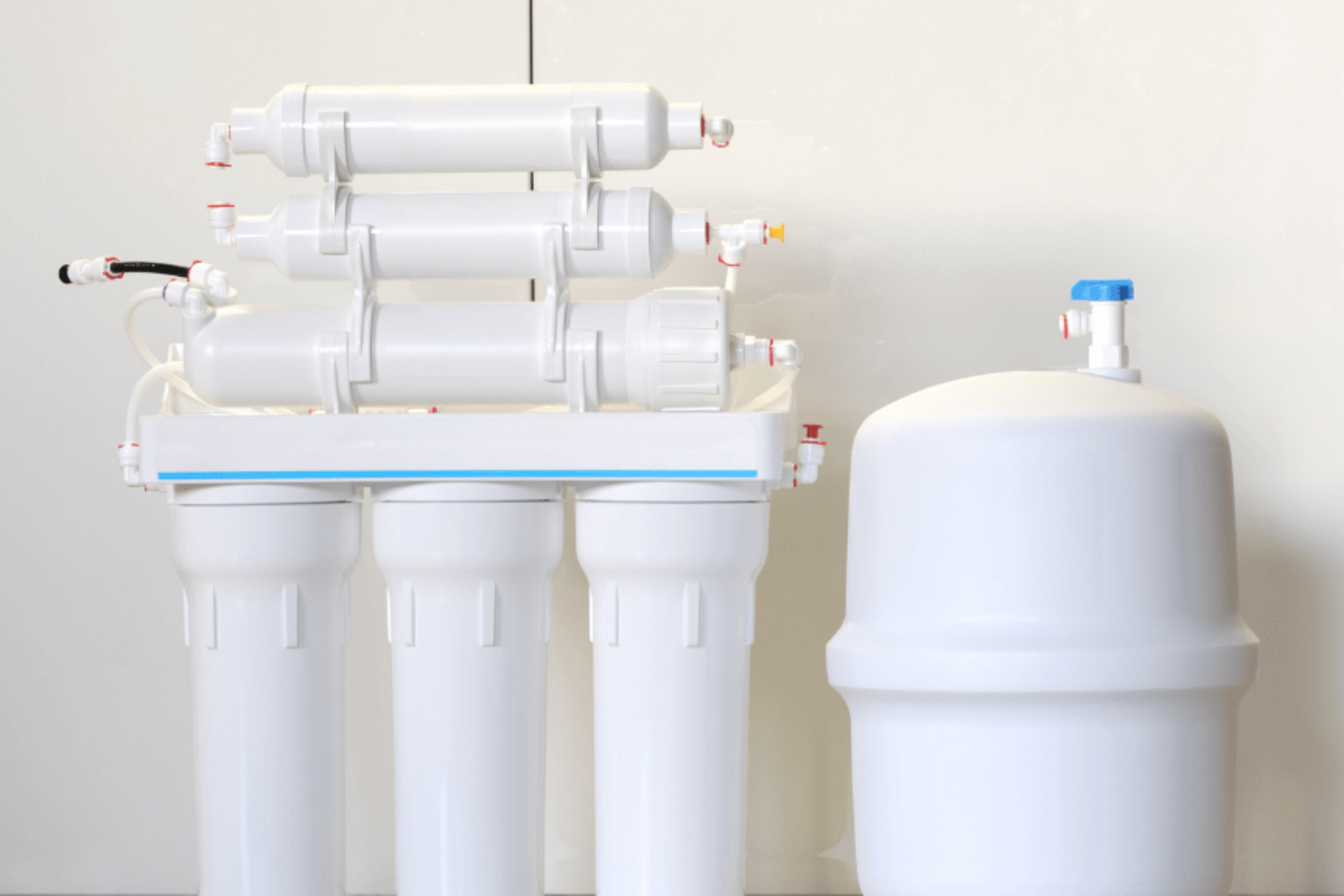
- Purifiers, depending on the tech (reverse osmosis, UV, etc.), go even deeper—eliminating bacteria, viruses, and dissolved solids.
If you’re in a place like Saskatchewan, where mineral-rich water is a thing, you’ve probably already looked into water filters Saskatoon at least once. And you’re not alone. The hard water there can do a number on plumbing and fixtures—not to mention the impact it has on taste and lathering.
The good news? There’s a system out there for every type of water problem. The key is not guessing—but getting your water tested and matched to the right solution.
The Human Cost of “Good Enough” Water
We all do it. We get used to things. We settle. Maybe you’ve been refilling a Brita pitcher for the past five years, or dealing with flaky soap scum in your tub, or overcompensating with expensive shampoos and skincare to fix what your shower water is ruining.
But here’s a truth no one talks about: small water issues, left unaddressed, add up. They quietly cost you money, time, and comfort. Over time, untreated water can shorten the lifespan of your appliances, stain your laundry, dull your hair, and mess with your gut health.
Investing in clean water isn’t just about health—it’s about improving your whole experience of home. And once you make the switch, there’s no going back.
The Search Begins at Home
Most people start with a Google search. “Best filter for hard water.” “Smelly tap water fix.” Or maybe, simply, water purifier near me.
That’s a smart place to begin. But remember—this isn’t a one-size-fits-all situation. What works for a friend in Calgary might not work for your house in Saskatoon. You want a provider who understands your local water supply, your home’s plumbing setup, and your family’s specific concerns.
Look for companies that offer water testing and custom solutions—not just a box of parts and a how-to PDF. This stuff affects your health. You deserve real support.
How Clean Water Changes Everything
You might be wondering: Is it really worth it? Does clean water make that much of a difference?
Yes. And not just in one way.
Better water can:
- Make your skin and hair softer
- Improve the taste of your cooking and coffee
- Reduce scale buildup in pipes and appliances
- Cut down on bottled water expenses
- Extend the life of water-using appliances
- Make laundry feel and smell fresher
- Reduce irritation for people with sensitive skin
Honestly, once you experience it, it’s hard to believe you lived without it for so long.
Don’t Overcomplicate It. Just Start.
Here’s the good news: You don’t need a PhD in chemistry to figure this out. You just need curiosity and a little willingness to explore what’s possible. Start by noticing. Smell your water. Taste it. Watch what it does to your dishes and your skin.
Then get it tested.
From there, you can make smart decisions. Maybe you’ll need a whole-home system. Maybe a single under-sink purifier will do the trick. It doesn’t have to be complicated, expensive, or invasive.
You just have to start.
In the End, Water Isn’t Just Water
It’s part of your body. Your memories. Your routines. From cooking Sunday pasta to giving the dog a bath to making tea during a stormy night—water is there for all of it.