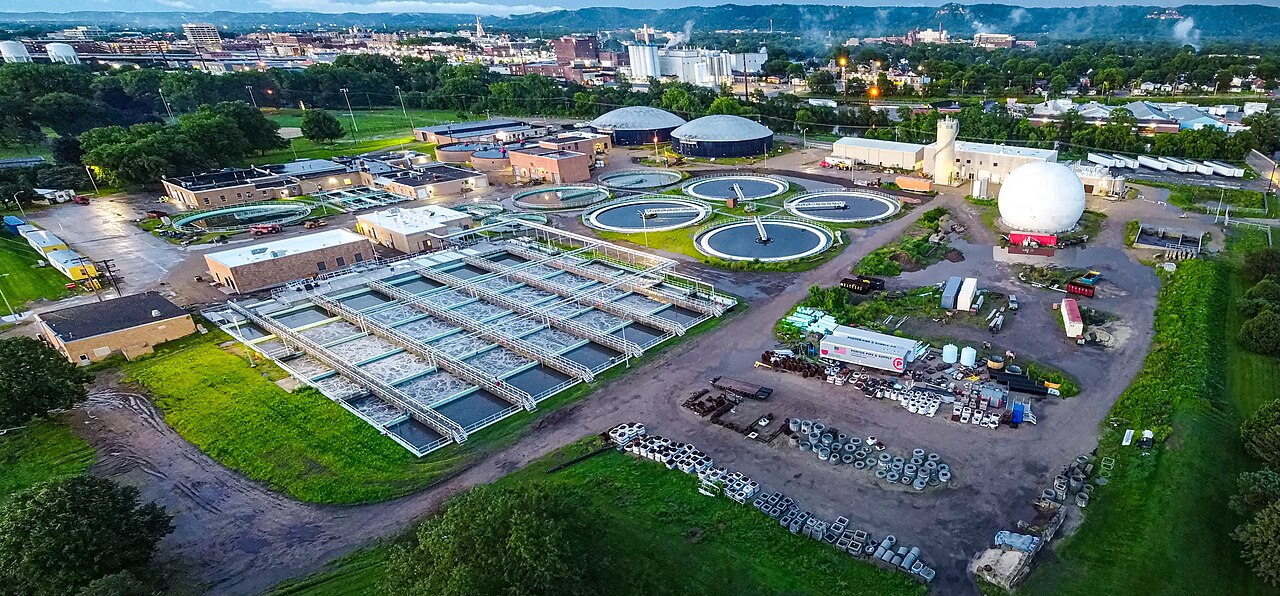
Better Water for Homes and Businesses: Finding the Right Water Treatment in Moorhead, Minnesota

Water is one of those everyday essentials we tend to overlook until something isn’t quite right. Maybe your morning coffee has an unfamiliar aftertaste, your bathroom fixtures are covered with chalky deposits, or freshly washed glassware never seems completely clean. These small frustrations can gradually become part of your routine, even though practical solutions may be available.
For homeowners searching online for water treatment moorhead minnesota, understanding the differences between filtration, softening, and drinking water purification is a worthwhile place to begin.
Whether you own a family home or operate a busy local business, improving water quality starts with identifying your actual needs rather than purchasing equipment based on guesswork.
Understanding the Water Running Through Your Property
Water can collect naturally occurring minerals as it travels through soil and rock formations. Municipal treatment and distribution processes can also influence its characteristics before it reaches your faucet.
Depending on the water source, households may experience hardness, noticeable chlorine odors, suspended particles, or other quality concerns.
Calcium and magnesium, for instance, contribute to hardness. Although these minerals aren’t generally considered harmful at typical drinking water levels, they can leave stubborn deposits around fixtures and inside water-using appliances.
Private well owners may encounter additional challenges, including iron, manganese, sulfur-related odors, or microbial contamination.
The important thing to remember is that different water problems require different solutions. What works beautifully for your neighbor might not accomplish much for your household.
Why Choosing an Experienced Water Treatment Provider Matters
Buying filtration equipment can feel surprisingly complicated. Between different technologies, product features, and maintenance requirements, there’s quite a bit to consider.
Working with an authorized ecowater dealer can be worth exploring if you’re interested in EcoWater equipment and want assistance selecting products that suit your property’s requirements.
Ask about the provider’s current authorization, installation experience, warranty coverage, and ongoing maintenance support before making a commitment.
A dependable specialist should take the time to understand your water quality concerns instead of immediately recommending the most expensive equipment available.
Sometimes, a relatively simple treatment arrangement is all you need. Having someone explain the reasoning behind their recommendations makes the purchasing process considerably easier.
Different Water Treatment Needs for Homes and Businesses
A family of four and a bustling neighborhood restaurant probably won’t use water in quite the same way. Their expectations, consumption patterns, and equipment requirements differ considerably.
That’s why effective residential and commercial water treatment requires an understanding of how water is used within each property.
Homeowners may prioritize reducing mineral buildup, improving drinking water taste, and making everyday cleaning easier.
Restaurants, hospitality businesses, and other commercial establishments might focus on maintaining equipment performance, reducing scale accumulation, and producing consistent water quality.
Commercial systems often require greater treatment capacity and careful consideration of peak demand.
Selecting equipment based on actual usage helps prevent unnecessary operating expenses and frustrating interruptions during busy periods.
Making Everyday Life Easier With Water Softening
Hard water can be particularly annoying because its effects appear almost everywhere.
You clean the bathroom on Saturday, only to find white deposits returning around the faucets a few days later. Soap may not lather as readily, and your kettle seems to need constant descaling.
Conventional ion-exchange water softeners address this concern by reducing dissolved calcium and magnesium.
Over time, softer water can help limit new mineral scale formation and make certain cleaning tasks more manageable.
Appropriate softening may also benefit water heaters and other appliances affected by recurring scale buildup.
However, a softener isn’t a substitute for drinking water purification or specialized contaminant treatment. Understanding its purpose helps establish realistic expectations before installation.
Exploring Filtration for Better Household Water
Sometimes, hardness isn’t the main concern. Perhaps your water contains visible particles or has a noticeable disinfectant smell.
Whole-house filtration offers an approach that treats incoming water before it reaches designated household fixtures.
Sediment filters capture suspended materials, while activated carbon media can help reduce chlorine taste and odor.
For households concerned about specific dissolved substances in drinking water, dedicated reverse osmosis equipment may be appropriate, depending on its independently verified treatment capabilities.
Combining technologies can make sense when several water quality concerns exist. Still, each component should have a clear purpose.
A complicated filtration system isn’t necessarily better than a straightforward one that effectively addresses your needs.
Why Water Testing Should Come Before Installation
Imagine purchasing an expensive treatment system only to discover that it doesn’t address the substance responsible for your water problem. It’s an avoidable mistake, yet an easy one to make without reliable information.
Municipal water customers can review their supplier’s water quality reports, while private well owners should arrange appropriate laboratory testing.
Water testing helps identify treatment priorities and provides a useful starting point for comparing equipment.
It’s also important to consider household plumbing, particularly when water quality concerns appear at only one faucet.
Once equipment is installed, appropriate follow-up testing can help verify its performance.
Clearer water and improved taste are encouraging, but they don’t automatically confirm that every identified contaminant has been adequately reduced.
Investing in Better Water for the Years Ahead
For homeowners and business owners in Moorhead, Minnesota, improving water quality can be a worthwhile investment when approached thoughtfully.
Consider equipment capacity, maintenance expenses, replacement component availability, and professional support before making your decision.
The benefits of suitable treatment often emerge through ordinary experiences — a more enjoyable cup of coffee, fewer stubborn mineral deposits, or less frustration with recurring equipment maintenance.
Water plays a quiet but essential role in nearly everything we do. Giving its quality the attention it deserves can make homes more comfortable and businesses easier to operate.
Sometimes, the most valuable property improvements aren’t the ones everyone notices immediately. They’re the ones that make everyday life work a little better.
Related resources
Helpful reads from our site and trusted sources to continue exploring this topic.

Small Repairs, Big Improvements: Keeping Your Home Secure, Functional, and Well-Maintained
A backyard gate that leans to one side, a persistent drip around a bathroom…
Read the guide →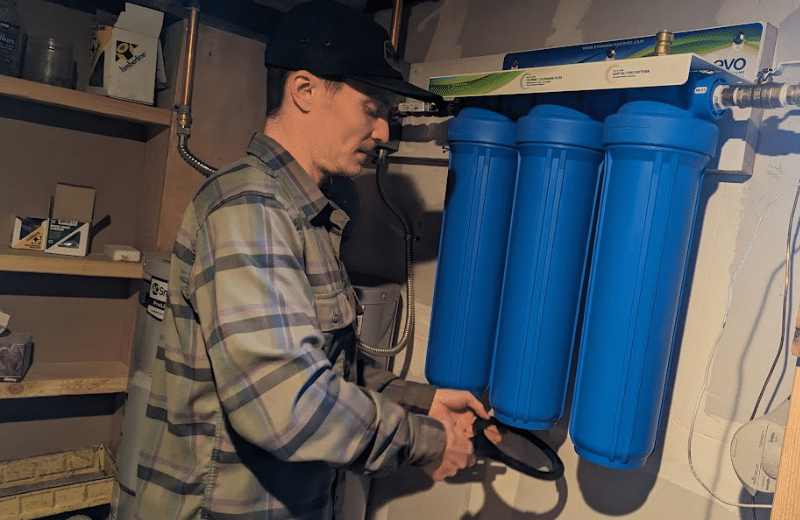
A Practical Guide to Managing Hard Water and Choosing the Right Filtration System
You clean the shower glass on Saturday, and by Wednesday, those cloudy white marks…
Read the guide →water treatment moorhead minnesota
Trusted external resource related to this article.
Visit source ↗