
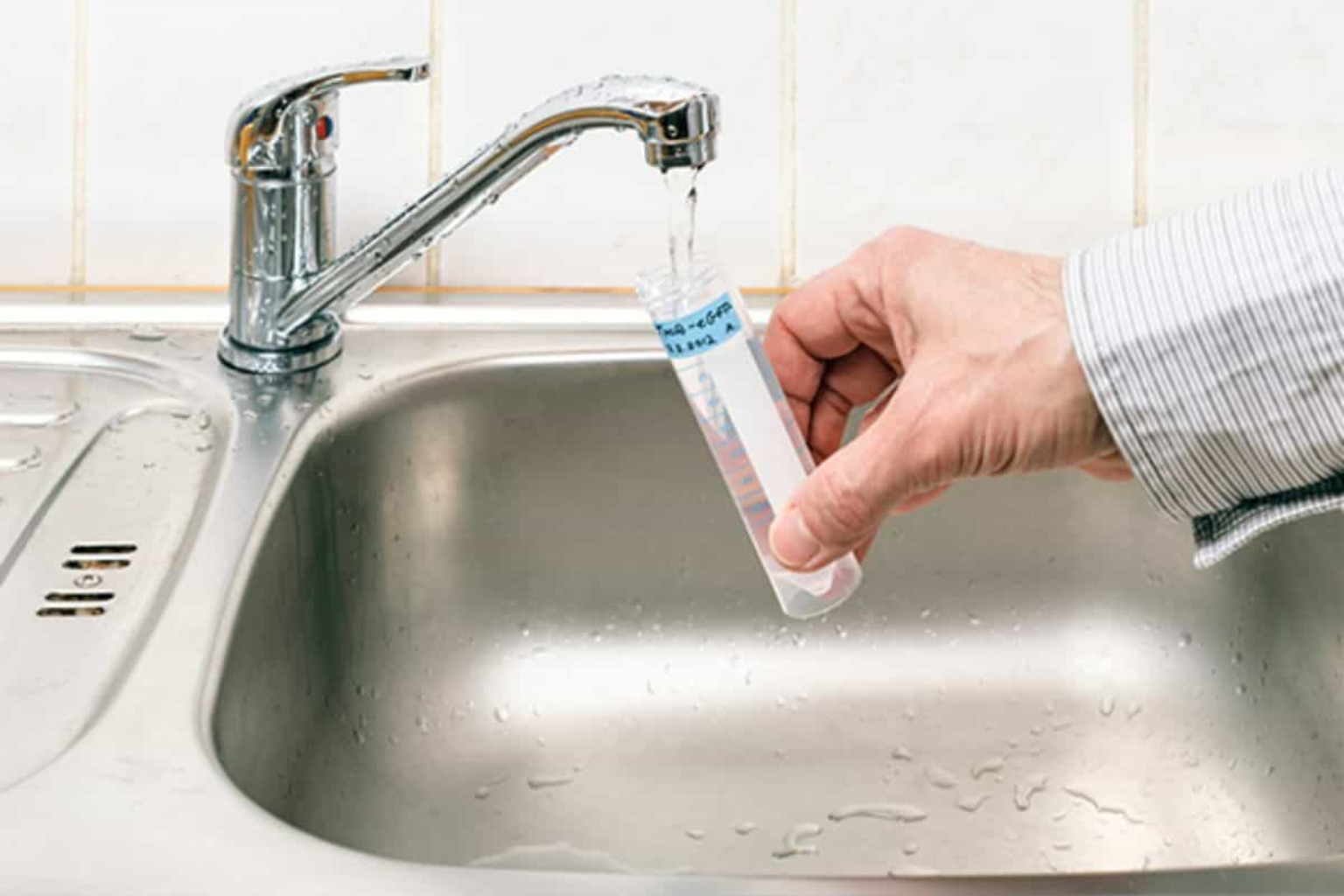
Before You Fix Your Water, Take a Closer Look at It
There’s a funny habit most of us have—we try to fix things before we really understand them. Water is a perfect example. The moment it tastes a little off or leaves marks on the sink, we jump straight to solutions. Filters, softeners, systems… something must fix it, right?
But here’s the thing: water isn’t the same everywhere. And treating it like it is can lead to more confusion than clarity.
Sometimes, the smartest first step isn’t fixing—it’s paying attention.
When Your Water Feels “Okay”… But Not Quite Right
You probably won’t wake up one morning thinking your water is bad. It’s rarely that obvious.
Instead, it’s a collection of small things. A faint taste you can’t quite describe. A cloudy glass that clears after a few seconds. Soap that doesn’t lather like it should.
None of these are urgent problems. But they’re signals.
And if you ignore them long enough, they quietly become your new normal.
Why Guessing Usually Leads to the Wrong Fix
It’s tempting to go online, read a few reviews, and pick a system that sounds good. And sometimes, that works out fine.
But often, it doesn’t fully solve the issue.
Why? Because you’re guessing.
Water can contain different elements depending on where you live—minerals, chlorine, sediment, even trace metals. Without knowing what’s actually in your water, you’re basically trying to solve a puzzle without seeing the full picture.
And that can get frustrating fast.
Starting Simple: Understanding What You’re Working With
This is where something surprisingly simple can help: free water testing.
It’s not about turning your home into a lab or diving into technical details. It’s just a starting point. A way to see what’s present in your water without making assumptions.
And honestly, the results can be eye-opening.
Sometimes you discover things you expected. Other times, you realize the issue isn’t what you thought at all.
Either way, you’re no longer guessing. You’re working with real information.
Looking Beyond the Basics
Once you have a general idea of what’s in your water, the next step is understanding how those elements affect your home.
This is where custom water analysis comes into play. It goes a bit deeper—connecting the dots between what’s in your water and what you’re experiencing day to day.
Why does your water taste slightly metallic? Why are your appliances showing buildup sooner than expected? Why does your skin feel dry after a shower?
These aren’t random issues. They’re connected.
And when you start seeing those connections, the path forward becomes clearer.
Why One-Size Solutions Rarely Work
If you’ve spent any time researching water systems, you’ve probably noticed something—there are a lot of options. And each one claims to be the best.
But here’s the reality: there is no universal solution.
What works perfectly in one home might not make much difference in another. Water varies too much for that.
That’s why tailored treatment plans make more sense than generic fixes. They’re built around your specific water profile—what’s present, what needs to be reduced, and what matters most to you.
It’s not about complexity. It’s about relevance.
The Quiet Improvements You Don’t Expect
One of the most interesting things about improving your water is how subtle the changes feel at first.
There’s no big “before and after” moment.
Instead, it’s gradual.
Your dishes start coming out cleaner. Your water tastes more neutral. Your appliances seem to run more efficiently. Even your daily routine feels just a bit smoother.
And then one day, you realize—you haven’t thought about your water in a while.
That’s when you know something has shifted.
Avoiding the Trap of Overthinking Everything
It’s easy to get stuck in research mode. Comparing systems, reading reviews, trying to find the perfect solution.
But water improvement doesn’t have to be complicated.
Start with what you know. Pay attention to what you’re experiencing. Use testing and analysis to fill in the gaps.
From there, the right solution usually becomes obvious—or at least, a lot clearer.
You don’t need to solve everything at once. You just need to take the next step.
Why This Matters More Than It Seems
Water is one of those things that quietly touches every part of your day. You drink it, cook with it, clean with it, bathe in it.
It’s constant.
And because it’s so constant, even small improvements can make a noticeable difference.
Less buildup. Better taste. A more comfortable daily routine.
These aren’t flashy benefits, but they’re meaningful ones.
Final Thoughts: Start with Understanding, Not Assumptions
If there’s one thing worth taking away, it’s this: don’t rush to fix your water before you understand it.
Take a moment to observe. Test it. Learn a little about what’s actually there.
Because once you do, everything else becomes easier.
The right solution won’t feel confusing or overwhelming—it will feel like the obvious next step.
And in the end, that’s what you’re really looking for.
Not the most advanced system. Not the most expensive option.
Just something that works for your home, your routine, and your peace of mind.