
A Real-World Look at Quality, Testing, and Better Choices
There’s a funny thing about water—we trust it without really questioning it. You turn on the tap, fill a glass, maybe take a sip without thinking twice. It’s routine, almost automatic. But every now and then, something feels… off. The taste isn’t quite right, or there’s a faint smell you can’t place. You shrug it off, because well, it’s water. It should be fine, right?
The truth is, water quality isn’t always obvious. It doesn’t always come with clear warning signs. Sometimes, it’s subtle—like a quiet background noise you only notice when it’s gone.
It Starts With Paying Attention
Most people don’t wake up one day thinking, “I should analyze my water.” It usually begins with small, almost forgettable moments. Soap that won’t lather properly. Spots on dishes that refuse to disappear. Hair that feels dry even after conditioning.
These are the little clues your water leaves behind. Not alarming, not urgent—but persistent.
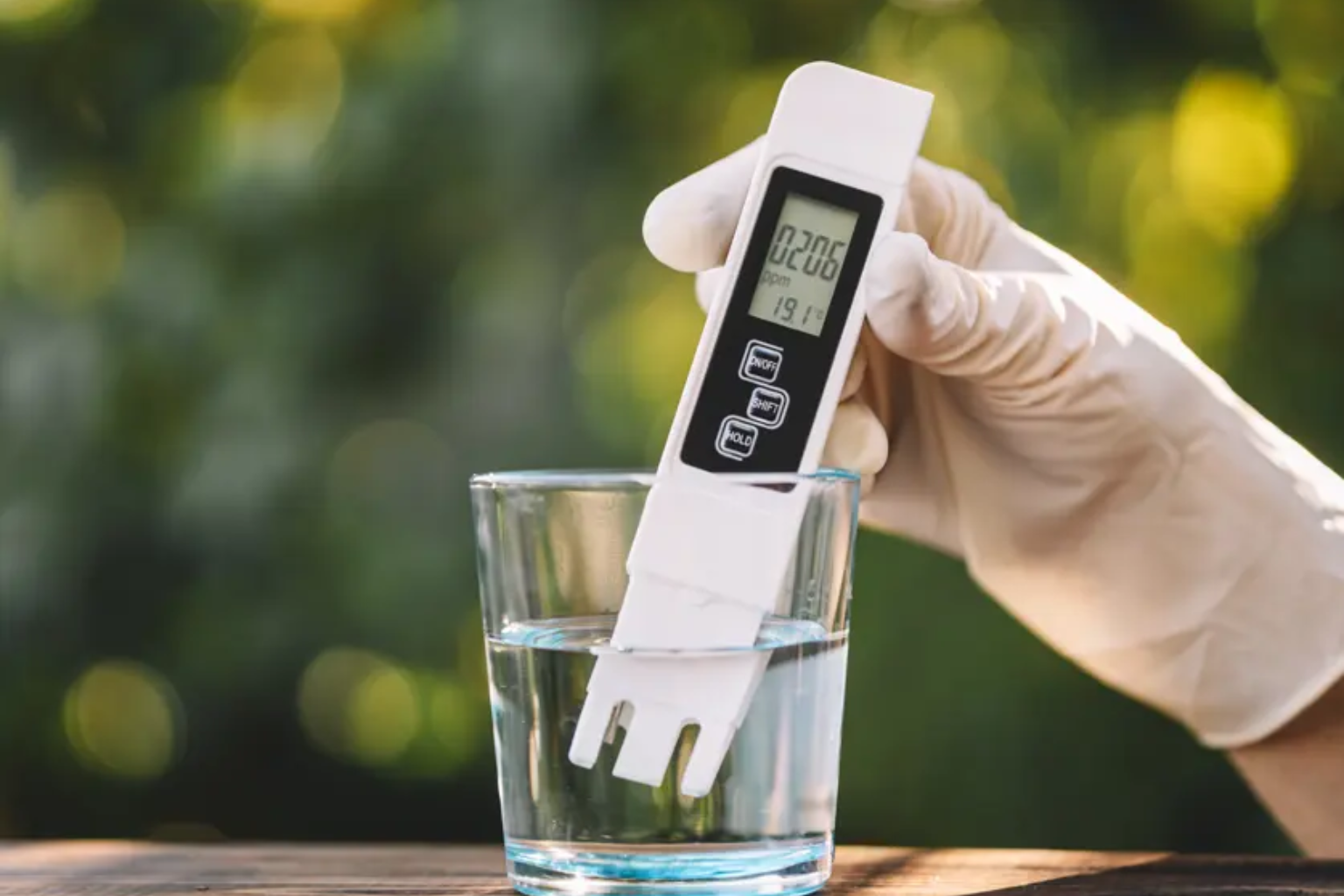
And here’s where things get interesting: instead of guessing what’s wrong, you can actually find out. A simple free water test can reveal more than you’d expect. It’s not just about identifying problems—it’s about understanding what you’re working with.
Because once you know what’s in your water, you stop guessing. And that alone is a game-changer.
Why One Solution Doesn’t Fit Every Home
Here’s something people often overlook—water isn’t the same everywhere. Even within the same city, it can vary from one neighborhood to another.
So, the idea of a “perfect” system that works for everyone? Not really how it plays out in real life.
That’s why customized treatment plans matter. Instead of throwing a generic filter at the problem, you’re tailoring the solution to your actual water profile. Maybe it’s high mineral content. Maybe it’s chlorine. Maybe it’s something else entirely.
It’s a bit like going to a doctor. You wouldn’t want a random prescription—you’d want something based on your specific condition. Water deserves the same level of thought.
The Everyday Impact We Often Ignore
Let’s step away from systems and talk about daily life for a second.
Water touches almost everything we do. Cooking, cleaning, bathing—there’s no escaping it. And when the quality isn’t quite right, it quietly affects all of those experiences.
Think about your morning routine. You make tea or coffee. If the water has a slightly off taste, it carries through. You might not consciously notice it, but it’s there.
Or consider your appliances. Hard water buildup doesn’t just look bad—it slowly reduces efficiency. Your washing machine, your geyser, even your pipes—they all feel the impact over time.
These aren’t dramatic failures. Just gradual wear. A slow, steady decline that’s easy to ignore… until it isn’t.
Finding the Right Balance, Not Perfection
There’s a common misconception that water treatment is about achieving “perfect” water. But honestly, that’s not the goal.
It’s about balance.
Good water should feel neutral—no strange tastes, no unpleasant smells, no unnecessary extras. It should do its job quietly, without demanding attention.
That’s where thoughtful water quality solutions come into the picture. Not as a one-time fix, but as a long-term approach to making your home more comfortable, more efficient, and just… better to live in.
And the best part? Once everything is set up properly, you don’t have to think about it much. It just works.
A Small Change That Feels Bigger Over Time
Here’s something people often say after improving their water: “I didn’t realize how much it mattered.”
And that makes sense. Water isn’t something we usually associate with comfort or lifestyle upgrades. It’s just… there.
But once it improves, the difference becomes surprisingly noticeable.
Your skin feels less dry. Your clothes come out softer. Your kitchen feels cleaner somehow, even if nothing else has changed. It’s subtle, but it’s real.
And over time, those small improvements stack up. They become part of your everyday experience, quietly raising the baseline of what “normal” feels like.
So, Where Do You Begin?
If you’re even a little curious about your water, start simple.
Don’t overthink it. Don’t jump straight into expensive systems or complicated setups. Just learn what’s in your water first.
A basic test—preferably one that’s easy and accessible—can give you clarity. From there, you can decide what actually needs attention.
Maybe it’s nothing major. Maybe it’s something worth addressing. Either way, you’re making an informed choice instead of guessing.
And that, more than anything, is what this is really about.
The Quiet Value of Knowing
At the end of the day, improving your water isn’t about chasing trends or upgrading for the sake of it.
It’s about awareness. About understanding something that plays a role in your life every single day.
Once you know what’s in your water—and what you can do about it—you’re no longer in the dark. You’re making decisions with clarity, not assumptions.