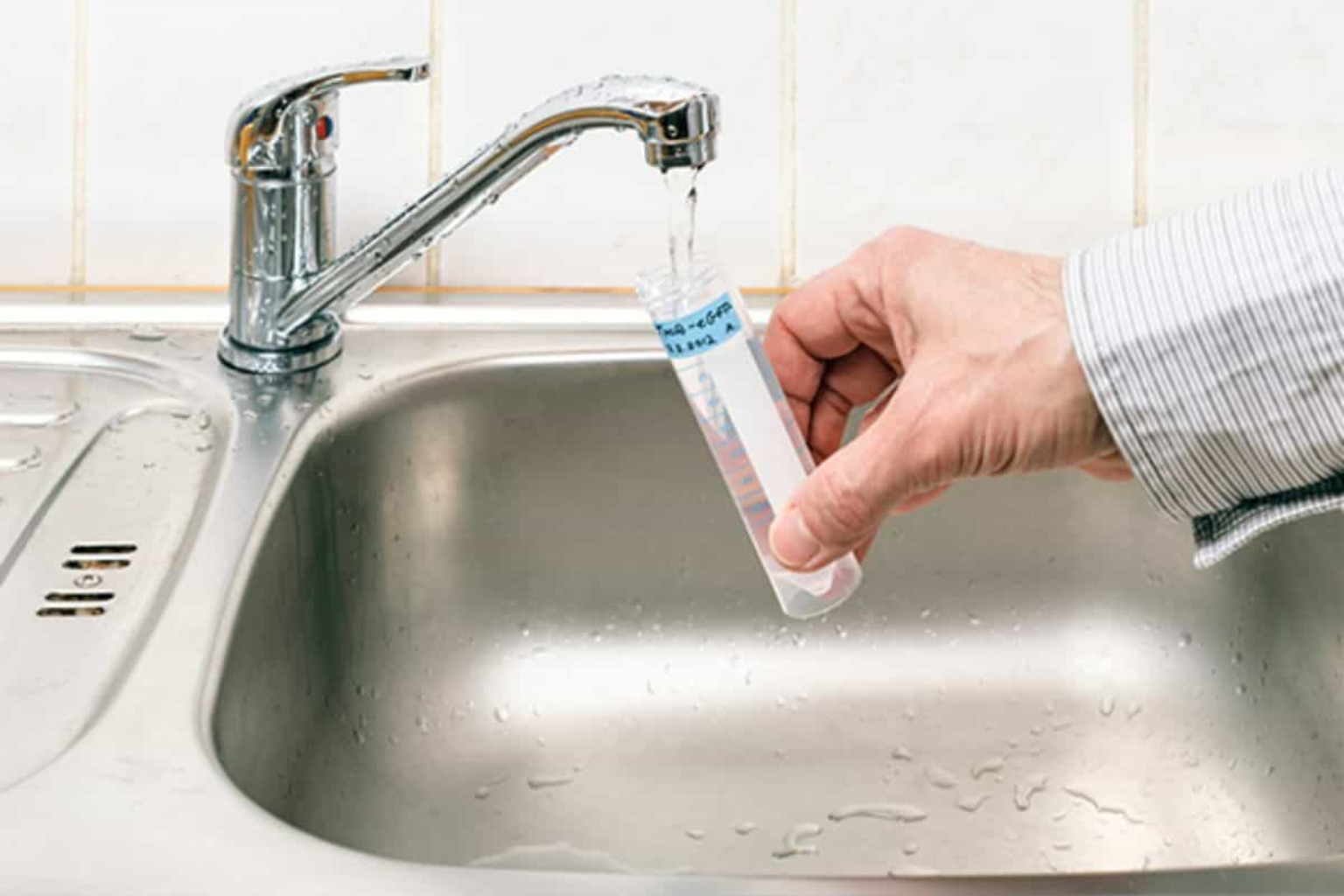
The Quiet Importance of the Water We Trust Every Day
There’s something almost invisible about water in our daily lives. You wake up, brush your teeth, pour a glass, maybe make tea without even thinking twice. It’s always there, always flowing. And because it’s so constant, we rarely stop to question it—until something feels a little off.
A slight metallic taste. A faint smell. Or sometimes nothing at all, just a lingering doubt. It’s funny how something so essential can go unnoticed for so long, right up until the moment it doesn’t.
When “Normal” Isn’t Always Safe
Most of us grow up believing that if water looks clear, it’s good enough. That’s been the baseline for years. But clarity doesn’t always equal safety. Some contaminants don’t show themselves in obvious ways. They don’t change the color or smell. They just… exist quietly.
That’s where the conversation around clean water becomes more meaningful. It’s not just about what we can see or taste—it’s about what’s actually present at a microscopic level. Chemicals, heavy metals, or bacteria don’t always announce themselves, but they can still have long-term effects.
And the thing is, this isn’t meant to scare anyone. It’s just about being a bit more aware than we used to be.
The Everyday Relationship We Overlook
Think about how often you use water in a single day. Not just for drinking, but for cooking, washing vegetables, making coffee, even rinsing your face. It’s woven into everything. Yet we treat it like a background detail.
When it comes to drinking water, though, the stakes feel slightly higher. It’s going straight into your body, after all. That’s where people tend to become a little more conscious—switching to filtered options, bottled alternatives, or boiling it just to be safe.
Still, there’s a balance. You don’t need to obsess over every drop. But it does make sense to understand your source. Is it municipal supply? Borewell? Stored in overhead tanks? Each has its own quirks, its own potential issues.
The Subtle Clues We Ignore
Sometimes, water gives hints. Maybe your kettle builds up scale faster than it should. Or your skin feels unusually dry after a shower. Clothes fade quicker. These aren’t random occurrences—they’re often tied to water quality in ways we don’t immediately connect.
Hard water, for instance, carries high mineral content. It’s not necessarily dangerous, but it can affect appliances, plumbing, and even your hair. On the other hand, water with contaminants like chlorine or iron can leave behind odors or stains that slowly become part of your “normal.”
And that’s the tricky part. We adapt. We get used to it. What starts as a small inconvenience becomes something we stop noticing altogether.
Small Adjustments That Actually Matter
You don’t always need a massive overhaul to improve your water situation. Sometimes, small steps go a long way. A basic filter, regular tank cleaning, or even testing your water once in a while can make a noticeable difference.
People often assume these changes are expensive or complicated. But in reality, they’re more about consistency than cost. It’s like maintaining your car—you don’t wait for it to break down completely before paying attention.
And once you make those adjustments, you start noticing subtle improvements. Better taste. Clearer ice cubes. Less residue on dishes. It’s not dramatic, but it’s definitely there.
A Personal Shift in Perspective
There’s a moment—usually after a minor issue—when your perspective on water changes. Maybe it was a news report, or a conversation, or just curiosity. Suddenly, something you took for granted feels worth a second look.
That shift doesn’t mean becoming overly cautious. It just means being a bit more intentional. Asking simple questions. Paying attention to details you might’ve ignored before.
Because water isn’t just another utility bill or household resource. It’s something your body depends on, every single day, without pause.
Ending on a Thought, Not a Warning
It’s easy to overcomplicate this topic, to turn it into something technical or overwhelming. But it doesn’t have to be. At its core, it’s about awareness and small, practical choices.
You don’t need perfect water. That’s not the goal. But aiming for better, safer, more reliable water? That’s a pretty reasonable place to start.
And maybe that’s the takeaway—just paying a little more attention to something that’s always been there, quietly doing its job.
Related resources
Helpful reads from our site and trusted sources to continue exploring this topic.
The Real Value of Clean Water: Why Home Filtration and Conditioning Matter More Than Ever
There’s something deeply comforting about pouring a glass of water and knowing — truly…
Read the guide →
A Real-World Look at Quality, Testing, and Better Choices
There’s a funny thing about water—we trust it without really questioning it. You turn…
Read the guide →