
When the Systems Behind the Scenes Finally Get the Attention They Deserve
Most of us live our lives surrounded by systems we barely notice. Water flows. Power hums. Machines do their jobs quietly in the background. Until one day, something stops working—and suddenly, that “background” becomes the main event.
There’s a certain kind of stress that comes with realizing how dependent daily life is on equipment we rarely think about. A pump that doesn’t kick on. A system that was installed years ago and never looked at again. Or a property that needs a proper water source and doesn’t yet have one. These moments aren’t just technical problems; they’re interruptions to comfort, routine, and peace of mind.
And they tend to arrive unannounced.
The Invisible Importance of Getting It Right the First Time
A lot of long-term headaches begin at the very start. When systems are rushed into place, corners cut, or planning treated like a formality, the consequences don’t show up immediately. They appear months or years later, usually at the worst possible time.
That’s why equipment installation isn’t just about placing machinery and flipping a switch. It’s about context. Load requirements. Soil conditions. Usage patterns. The difference between a system that merely works and one that works well often comes down to the care taken on day one.
People don’t talk much about good installations because there’s nothing dramatic about them. They just… last. They don’t demand constant attention. They don’t surprise you. And in a strange way, that quiet reliability becomes a luxury.
Wear, Tear, and the Art of Fixing Things Properly
No system, no matter how well installed, runs forever without a little help. Time has a way of wearing things down. Seals weaken. Motors strain. Parts that once moved smoothly start resisting.
This is where equipment repairs step in—not as an emergency reaction, but ideally as a thoughtful intervention. There’s a big difference between patching something just enough to keep it alive and actually restoring it to proper working condition.
Good repair work respects the original system while understanding its current reality. Sometimes that means replacing a component. Sometimes it means admitting a system has outlived its design life. And sometimes it means fixing a small issue before it snowballs into a major failure.
People often delay repairs because everything seems “mostly fine.” But “mostly fine” is often the most expensive state to ignore.
Going Deeper: Where It All Begins
Some properties don’t just maintain systems—they create them from the ground up. Literally.
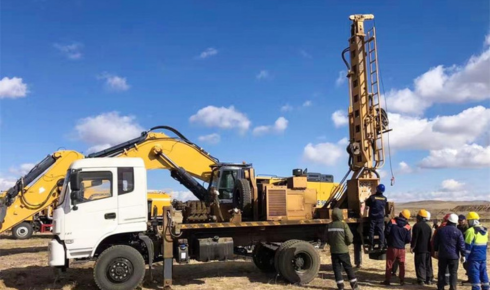
Well drilling is one of those processes that feels both ancient and incredibly modern at the same time. On the surface, it’s about accessing water. Underneath, it’s about geology, precision, and understanding what lies beneath land that otherwise looks ordinary.
A properly drilled well can serve a home or facility for decades. A poorly planned one can become a constant source of frustration. Depth, placement, and testing matter more than most people realize, and once the drilling is done, there’s no easy undo button.
It’s a reminder that infrastructure choices are rarely temporary, even when they feel that way at the time.
Maintenance Isn’t Boring—It’s Strategic
There’s a cultural habit of waiting for things to break before paying attention. It’s understandable. Life is busy. Budgets are real. And if something is working today, it’s tempting to assume it’ll work tomorrow.
But systems don’t age gracefully on their own. They age based on how they’re treated. Regular checkups, small adjustments, and timely replacements aren’t signs of paranoia—they’re signs of respect for the investment already made.
Well-maintained systems don’t just last longer; they behave better. They run more efficiently, consume less energy, and cause fewer surprise expenses. In the long run, maintenance is rarely the costly option—it just feels like it in the moment.
The Human Side of Technical Work
What often gets overlooked in conversations about systems and equipment is the human element. Behind every installation, repair, or drilling project is a person making decisions. Someone interpreting data. Someone noticing a detail that isn’t in the manual.
The best outcomes usually come from experience combined with attention. From people who’ve seen what happens when shortcuts are taken—and choose not to repeat those mistakes. Technical work, at its core, is problem-solving. And good problem-solvers don’t just fix what’s broken; they ask why it broke in the first place.
That mindset changes everything.
A Quiet Ending, Just Like a Well-Run System
When systems work as they should, life feels easier in subtle ways. You stop listening for strange noises. You stop worrying about whether today is the day something fails. You trust what’s behind the walls, under the ground, and out of sight.
That trust doesn’t come from luck. It comes from thoughtful choices, proper work, and an understanding that the unglamorous parts of infrastructure deserve as much care as the visible ones.