
When Pipes Talk: Real-World Plumbing Woes and Why You Need the Right Help
You know the feeling — that slow drip-drip-drip echoing from the back room, a faucet that moans like it’s haunted, or worse… a mysterious puddle forming beneath the kitchen sink. We usually brush it off until the problem demands attention, usually at the worst possible time. That’s the thing about plumbing. It’s like a quiet roommate — until it isn’t.
But let’s face it: water issues are one of those things that sneak up on you. And in the world of buildings, especially large ones — office blocks, retail stores, or restaurants — the stakes are a whole lot higher. That’s where the world of commercial plumbing steps in, and it’s a different beast altogether.
Why Commercial Plumbing Isn’t Just “Bigger Residential Plumbing”
A lot of folks assume commercial plumbing is just residential plumbing, but with more pipes. Not quite. Think about the scale: dozens of toilets, sprawling water systems, multi-floor buildings, and public health standards that demand everything flows perfectly.
Commercial plumbers aren’t just fixing leaks. They’re designing system layouts for new builds, installing high-volume fixtures, coordinating with engineers, and managing everything from grease traps to industrial-grade boilers. It’s complex, precise, and unforgiving when done wrong. Imagine a broken pipe on the 15th floor of a hotel. Gravity isn’t your friend in that situation.
The Little Things That Become Big Problems
Let’s break it down. A clogged drain in your home is annoying. In a café? It can halt operations. A leaking toilet in your house might wait a few days. In a school or hospital? That’s a sanitation risk.
And it’s not just the infrastructure — it’s the cost. Downtime in a commercial setting is real money. Lost customers. Health inspections. Insurance nightmares. Every minute counts. That’s why businesses rely on experts for routine service and repair — not just when things go south, but to keep problems from snowballing in the first place.
The “Routine” That Saves Thousands
Here’s the unglamorous truth: good plumbing is often invisible. You don’t notice when it’s working. And maintenance isn’t flashy, but it’s golden. Regular inspections, cleaning out buildup in drains, checking pressure valves, tightening what’s loose — it’s all about staying one step ahead of the disaster.
Think of it like going to the dentist. You don’t want to be there, but you’d rather catch that cavity now than deal with a root canal later. Same deal here. A quick quarterly service call can prevent a flood, a mold issue, or a total system shutdown.
Plus, the best plumbing teams don’t just fix what’s broken. They track usage trends, recommend efficiency upgrades, and anticipate parts that are likely to fail soon. In a world of skyrocketing water bills and stricter regulations, that insight isn’t just helpful — it’s necessary.
Water Heaters: The Unsung Heroes
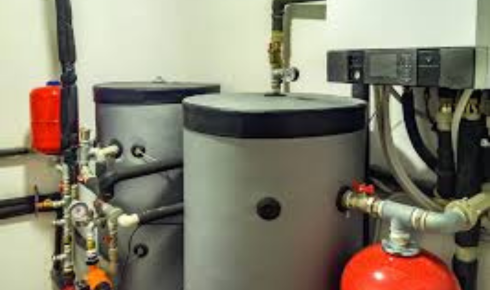
Let’s talk about the real MVPs hiding in your janitor’s closet — the water heaters. From hotels to gyms, laundromats to apartment buildings, reliable hot water is non-negotiable.
But here’s the kicker: not all water heaters are built the same. There are tankless systems, hybrid models, high-recovery commercial units, and then there’s the question of fuel type — electric, gas, or solar-assisted. Choosing the wrong one? It’s like trying to heat a stadium with a hair dryer.
Beyond selection, maintenance is critical. Sediment buildup, rust, thermostat issues, and worn-out anode rods can all derail performance. And when hot water runs cold, it’s more than an inconvenience — it can shut a business down. That’s why professionals often recommend annual flushes and inspections, especially for businesses with high-volume needs.
Signs You’re Due for a Plumbing Check-Up
Not every plumbing issue makes a dramatic entrance. Sometimes, it whispers first. Pay attention to these warning signs:
- Water stains or damp drywall — even minor spotting can point to leaks behind walls.
- Odd odors — funky smells might indicate stagnant water, bacterial growth, or sewer gas leaks.
- Low water pressure — it’s often the symptom of a larger clog or pipe issue.
- Unexpected water bills — spikes can suggest a hidden leak or inefficient system.
Don’t wait until your ceiling collapses to call in help. The longer you wait, the more expensive (and messy) things get.
Choosing the Right Plumbing Partner
This is where it gets real. Not all plumbers are created equal. Especially for businesses, you want someone who’s licensed, insured, experienced with your property type, and available when emergencies strike.
Ask questions. What’s their response time? Do they offer after-hours service? Do they specialize in commercial systems, or are they primarily residential? Do they use modern tools like hydro-jetting or camera inspections? A reputable plumbing company won’t just answer these questions — they’ll welcome them.
In many ways, it’s like choosing a doctor. You want someone you trust, someone who knows your system’s history, and someone who can think on their feet when weird stuff happens — because it will.
Beyond the Fix: Building a Relationship
What’s better than a great plumber? A plumber who knows your building.
When you work with the same team over time, they build a mental blueprint of your infrastructure. They know the weak points. They know what was fixed, when, and why. That context saves time, money, and stress — especially when an emergency hits and there’s no time to explain things from scratch.
Some businesses even keep plumbing teams on retainer or schedule seasonal service plans. It’s less of a luxury and more of a proactive business strategy.
Final Thoughts: Listen to Your Pipes
Plumbing may not be glamorous, but it’s essential — like the veins of your building, quietly carrying water where it’s needed most. Ignore the creaks and groans, and you might end up with a crisis. But listen, maintain, and choose the right pros? You’ll avoid headaches and keep things flowing.
Whether you’re running a busy restaurant, managing a high-rise, or opening a new space — treat your plumbing like an asset, not an afterthought. Your future self (and your floors) will thank you.